
OMFV: Can Army Exorcise The Ghost Of FCS?
The ongoing reboot of the Bradley replacement program reminds many in Congress and industry of the disastrous Future Combat Systems. The Army has changed a lot since FCS – but has it changed enough?
The ongoing reboot of the Bradley replacement program reminds many in Congress and industry of the disastrous Future Combat Systems. The Army has changed a lot since FCS – but has it changed enough?
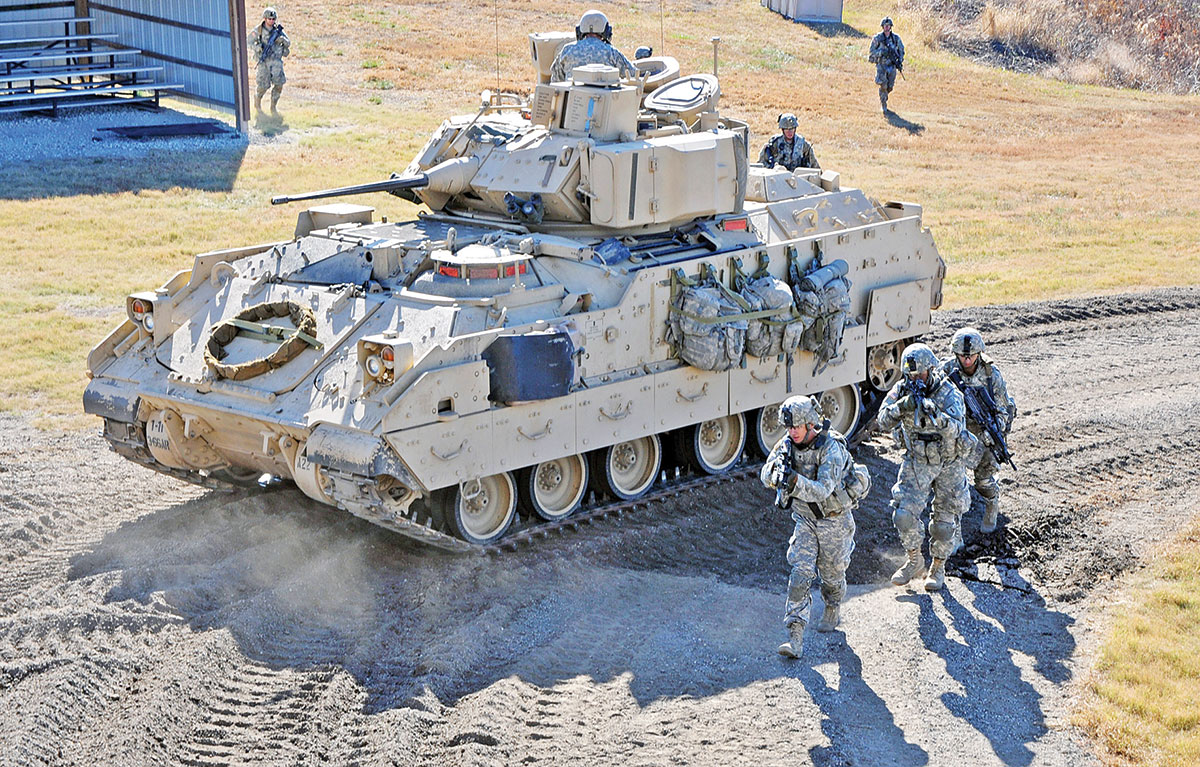
Having rebooted the Optionally Manned Fighting Vehicle program, the Army is now is asking industry input on how to achieve nine goals, from survivability to mobility to streamlined logistics.

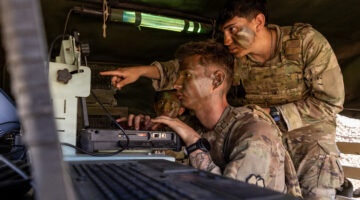
Lightning Surge exercises are turning soldier feedback on NGC2 into operational software changes in days, not years.

If there’s one thing that Army leadership agrees upon, it’s the need for improved survivability of soldiers and machines against modern anti-tank weapons like the Russian Kornet and Chinese HJ-8 guided missiles, as well as Russia’s tandem warhead RPG-29 rocket propelled grenade that can bore a hole into a tank with a molten jet of metal.
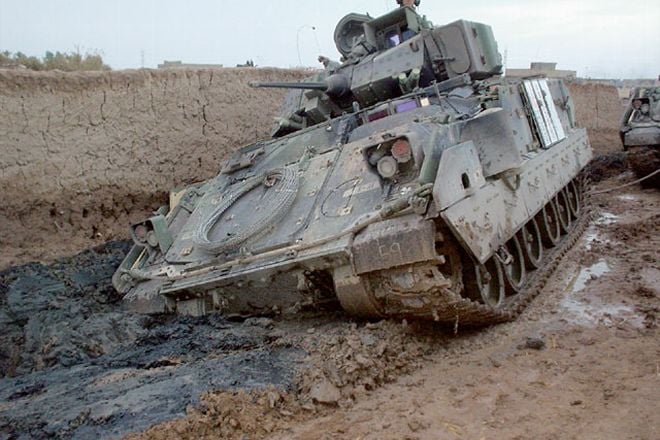
With only one company qualifying, is the Army’s decision to cancel the competition and start over a major defeat, or it is a necessary and timely course correction?

The Army’s Next Generation Combat Vehicle (NGCV) program has ambitious goals that will require development of new technological capability that ranges from autonomous operations to advanced materials.

Get a grip, the Army Futures Command chief said: It’s way too early to start second-guessing the Optionally Manned Fighting Vehicle program.


Throttleable systems, boost-phase interception, and new manufacturing capacity expand missile defense options.

The Army wants its Next Generation Combat Vehicle (NGCV) program to provide a transformational leap in battlefield capability.
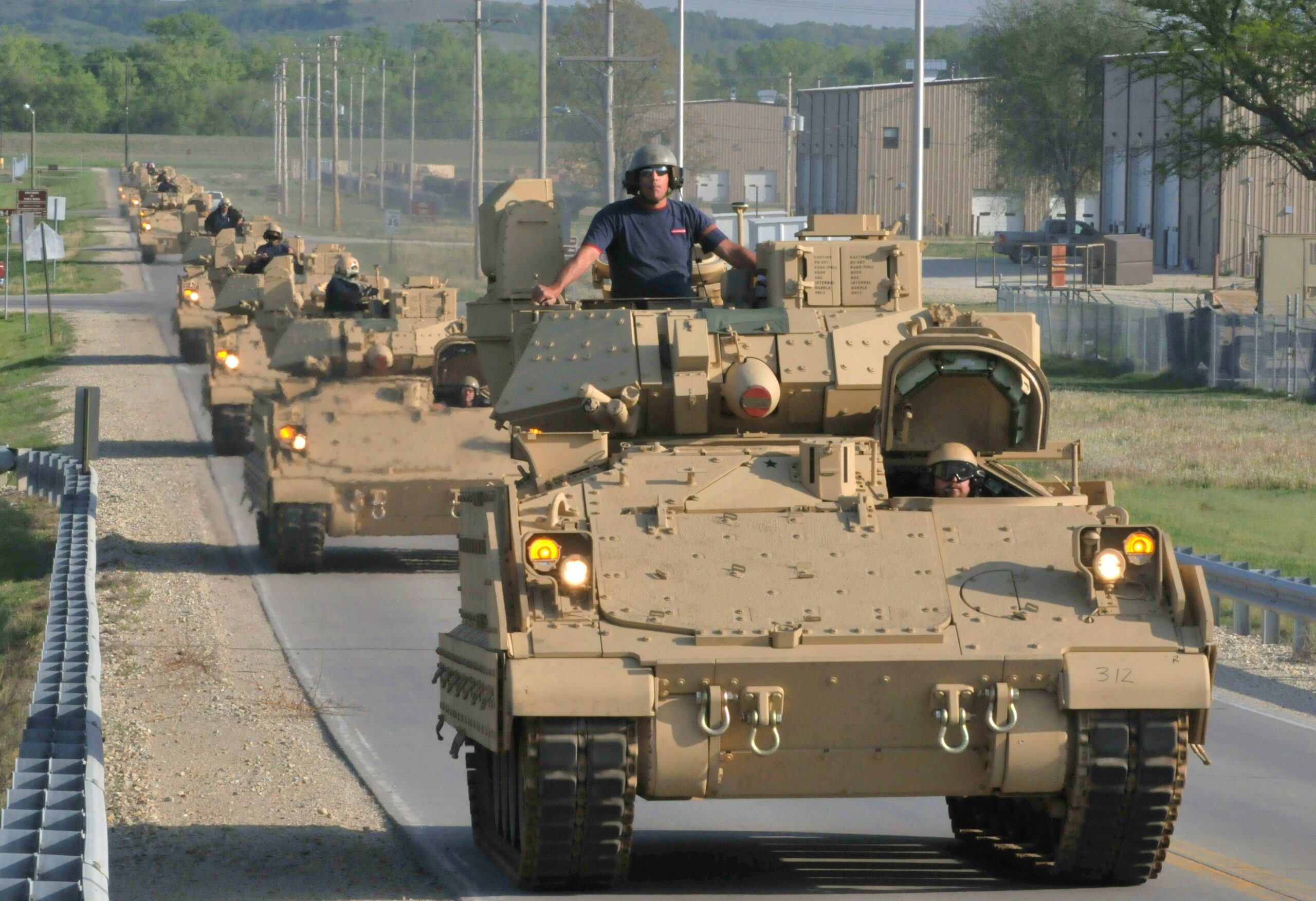
With the surprise disqualification of the Raytheon-Rheinmetall Lynx, the Army has effectively left itself with one competitor for the Optionally Manned Fighting Vehicle, General Dynamics -- unless the Pentagon or Congress intervene.
Army modernization isn't just buying bigger guns. The devils lie in the smallest contractual details.